Best violin shoulder rest: a buyer's guide
Search results for the best shoulder rest are full of ranked lists that name a dozen brands and quietly point you at whatever pays best. This is not that. We make one rest, and rather than pretend it beats every premium model, we will show you how to judge any rest on its merits so you can decide, including where ours wins and where it does not. If you already know you want a value pick that fits a full, three-quarter, quarter or eighth violin, the short answer is our adjustable Cadenza rest. If you want to understand the trade-offs first, read on.
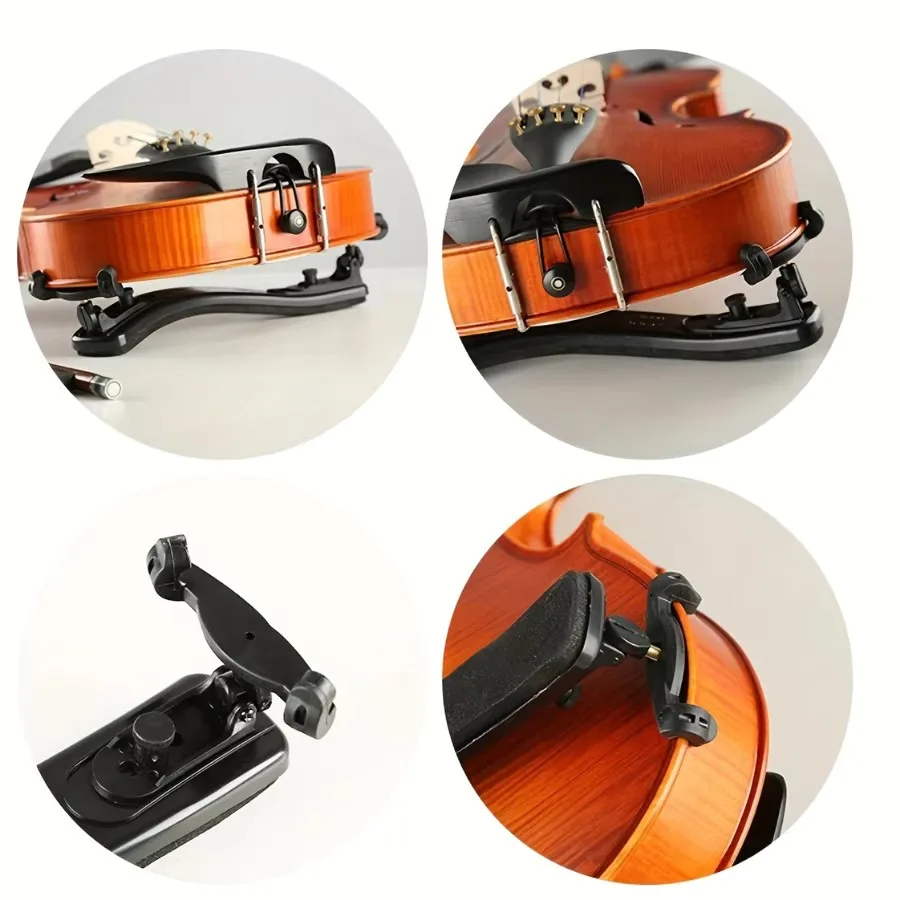
The five things that actually matter
1. Fit to your violin size
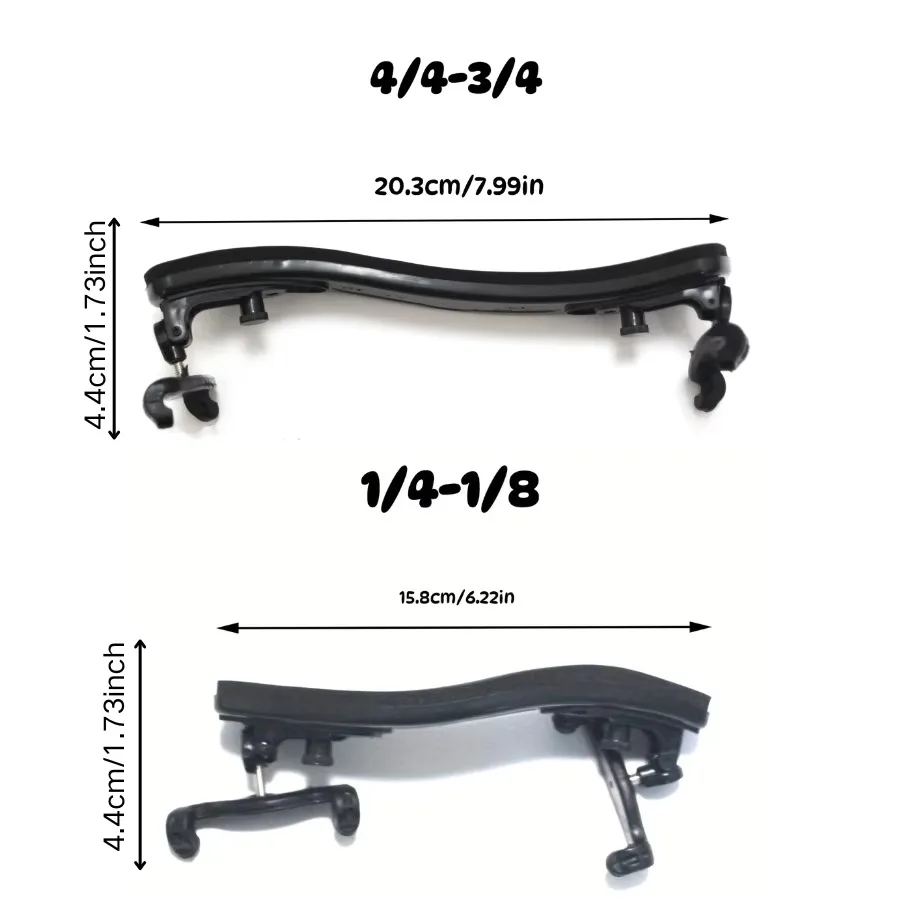
Nothing else matters if the rest does not match the instrument. A rest that is too wide cannot close its grip grooves and will slide off; one that is too narrow will not span the body. This is the single most common cause of returns. The Cadenza rest solves it with two sizes, a big model for 4/4 and 3/4 and a small for 1/4 and 1/8, and we are upfront that the 1/2 size is not covered. Our sizes guide walks through measuring your violin so you buy the right one.
2. Grip and stability
A rest earns its keep by staying put while you play. Cheaper clip-on rests, ours included, use hook feet with rubber tips that grip the ribs. The limitation is that shallow feet grooves can let a rest creep if you barely seat them, a point a couple of our own reviewers raised. In practice this is a fitting issue: press the feet home until the grooves close and the rest resists a nudge. Premium rests sometimes add wider or grippier feet, which is one thing your extra money buys. If rock-solid grip with zero fuss is your priority and budget is no object, that is a fair reason to spend up.
3. Height and angle adjustment
The rest should lift the violin to your collarbone so you are not clamping with your neck. On the Cadenza rest the feet pivot to widen the span and tweak the tilt, which covers the adjustment most players need. What it does not offer is the tall, finely calibrated height mechanism of a top-tier rest, so if you have an unusually long neck and need significant lift, a premium model may suit you better. For the average student and returning adult, the range here is enough.
4. Padding comfort
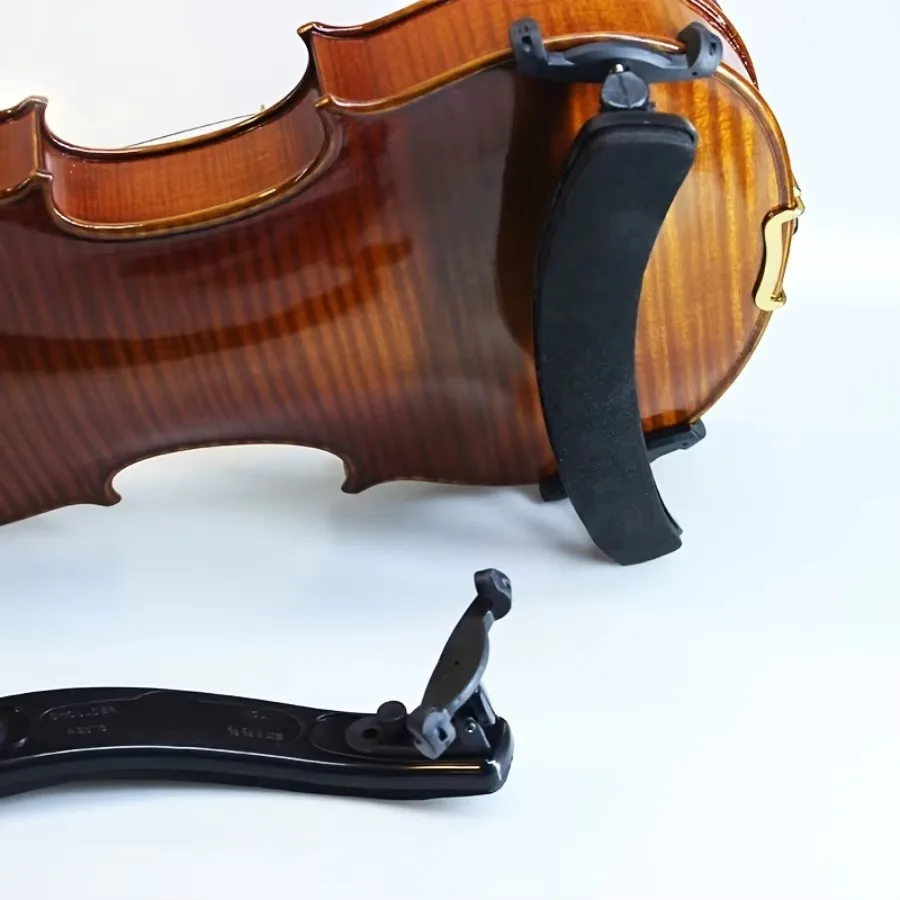
The pad is what touches your shoulder, so density and depth matter. Ours is a fine foam over a metal core, which is comfortable for typical practice, though one honest reviewer felt the foam was a little thin and could sense the core on a long session. Plush wood and cork rests feel more cushioned; that is a genuine comfort difference, and if you play for hours daily it may be worth the upgrade. For most learners the padding here is fine, and a thin cloth over the pad is a cheap way to add cushioning if you want it.
5. Portability
A rest that will not fold is a rest you leave clamped on, which stresses the violin in the case. The Cadenza feet fold flat in seconds so the rest lies beside the instrument, and it is light. This is an area where a budget plastic design genuinely competes with expensive rests, because folding feet are folding feet regardless of price.
Criteria at a glance
| Criterion | What to look for | Cadenza rest |
|---|---|---|
| Fit | Matches your exact violin size | 4/4, 3/4, 1/4, 1/8 (not 1/2) |
| Grip | Stays put without constant reseating | Good once feet are seated firmly |
| Adjustment | Enough height and angle for your neck | Foldable pivoting feet, moderate range |
| Comfort | Padding that suits your session length | Fine foam over metal core |
| Portability | Folds flat for the case | Feet fold flat in seconds |
| Price | Match spend to how you play | $24.95, value tier |
Where our rest wins, and where it does not
If your priorities are correct fit, easy folding, a fair price and a return policy that takes the risk off you, this rest does the job well, which is why our buyers rate it as they do. If your priorities are a plush cushioned pad, the grippiest possible feet and a tall precision height mechanism, and you are happy to pay two or three times as much, a premium model will serve you better and we will not talk you out of it. Choosing the best rest is about matching the tool to the player, not chasing the highest price.
of string players report pain in the shoulder, hand or fingers at some point
— Fishbein et al., ICSOM survey of 4,025 musicians, 1988
prevalence range of playing-related musculoskeletal disorders in string players
— Systematic review, Journal of Manipulative and Physiological Therapeutics, 2018
measured neck-muscle activity and holding force change with shoulder-rest height, confirming it as an ergonomic tool
The research is consistent that a well-set rest reduces the effort of holding the violin, which is the whole point of buying one. Spend where it improves your comfort, and do not spend where it only improves the label.
Free shipping · 30-day money-back guarantee
Keep reading
Nail the fit with our sizes guide, then put it on correctly. Not sure you need a rest at all? Read our take on needing a shoulder rest and using one for good posture. See real buyer reviews and how we test.
Reviewed and updated June 2026.
Buyer's FAQ
What makes a good violin shoulder rest?
A good rest matches your violin size, holds its position without slipping, sits at a height that keeps your neck relaxed, has enough padding to feel comfortable, and folds down for the case. Price matters too: most players do not need a premium wood rest to be comfortable, they need one that fits and stays put.
Is a wooden shoulder rest better than plastic?
Wood and carbon rests can feel more refined and some players prefer the tone, but they cost several times more. For students and returning players, a well-fitted plastic rest does the same core job of bridging the gap between violin and collarbone. We sell a plastic rest and we are honest that it is a value pick, not a boutique one.
How much should I spend on a shoulder rest?
Budget adjustable rests run around 20 to 30 dollars and suit most learners. Premium wood or carbon models run 60 dollars and up. The Cadenza sits at $24.95: pivoting feet, a foldable arch and two sizes covering 4/4, 3/4, 1/4 and 1/8 violins, which is the specification a learner actually plays on.
Which shoulder rest is best for beginners?
For beginners, prioritize correct size and easy adjustment over brand prestige. An adjustable clip-on rest that fits the violin, folds flat and comes with a return policy lets a new player find a comfortable setup without overspending. That is exactly the niche the Cadenza rest is built for.